UK Gambling Surge Ahead: Survey Flags 68% Expecting to Bet More in 2026 Amid Harm Warnings
UK Gambling Surge Ahead: Survey Flags 68% Expecting to Bet More in 2026 Amid Harm Warnings

Fresh Survey Captures Gamblers' Mindset in Early 2026
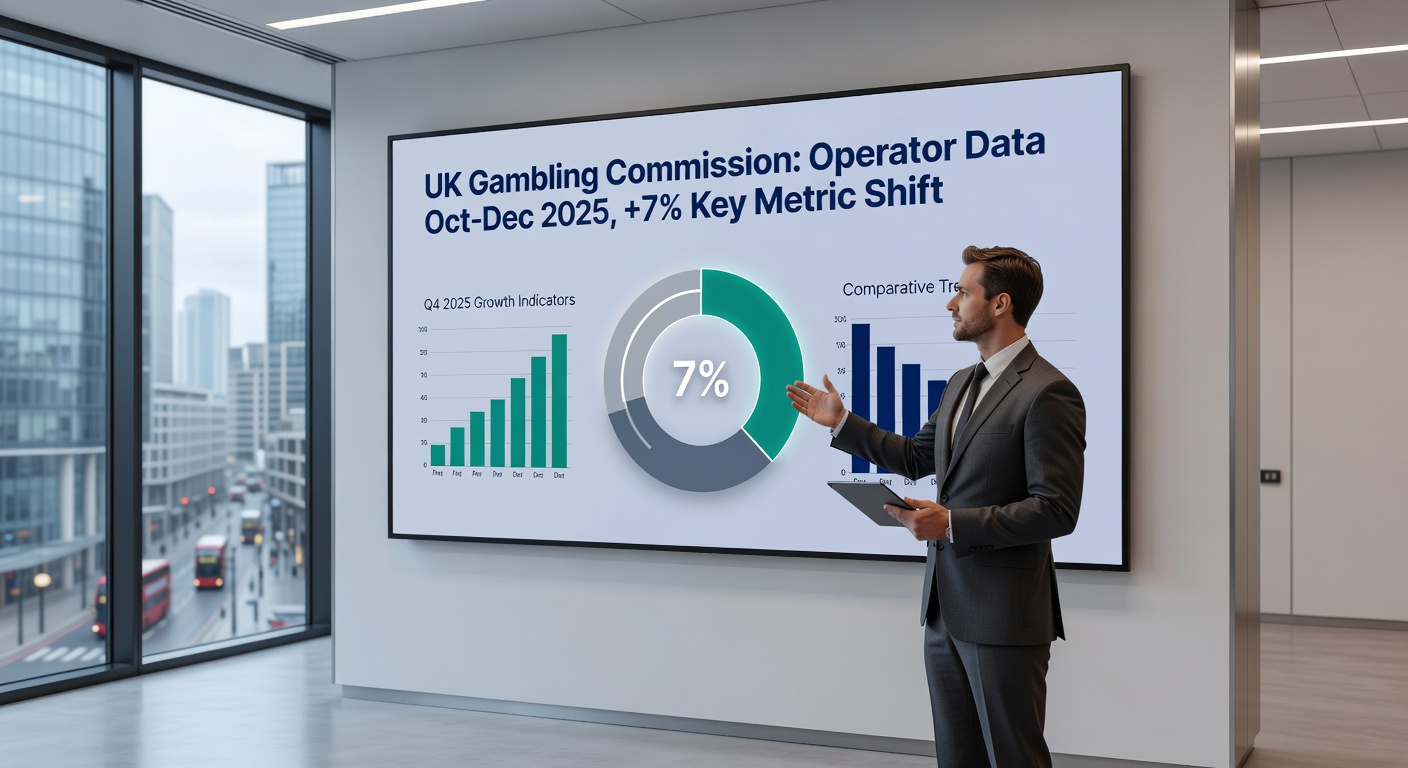
A recent survey of 2,000 UK gamblers, carried out by Censuswide between February 12 and 17, 2026, uncovers a notable shift in betting behavior, with 68% of respondents anticipating they will place more wagers this year, driven largely by a packed calendar of high-profile sporting events such as the FIFA Men’s World Cup, the Champions League, and Royal Ascot; this comes as the industry reports tangible upticks in activity, including transaction volumes climbing 7% and spending rising 9% in January 2026 compared to the previous year.
What's interesting here is how these expectations align with real-world data from the month's end, painting a picture of gamblers gearing up for what's shaping up to be a banner year for sports betting, yet one laced with emerging concerns over affordability and behavioral risks; researchers conducting the poll, detailed in a March 3 report, highlight that such optimism coincides wth troubling signs, including 10% of participants admitting to chasing losses and 17% turning to bets as a way to cover everyday bills.
And as March 2026 unfolds, these findings gain added urgency, with industry watchers noting that the convergence of major tournaments could amplify both participation and potential pitfalls, especially since GamCare referrals—the go-to service for gambling support—surged 48% in January alone, according to figures from Nationwide Building Society.
Transaction and Spending Data Signals Momentum
Data from January 2026 tells a clear story of acceleration in the UK gambling market, where transaction volumes jumped 7% over January 2025 levels, while overall spending increased by 9%, reflecting not just seasonal upticks but a broader enthusiasm tied to the sports slate ahead; observers point out that this isn't mere coincidence, as the survey's 68% projection for increased betting dovetails precisely with these metrics, suggesting gamblers are already ramping up ahead of curveballs like the World Cup's global draw.
Take the Champions League, for instance, where knockout stages often spark frenzied wagering; combined with Royal Ascot's pageantry and tradition, these events create a perfect storm for heightened engagement, and the numbers bear it out—those who've tracked similar cycles, like in past World Cup years, often see comparable spikes, although this time around, the baseline starts higher due to digital platforms' ease of access.
But here's the thing: while volumes and spends climb, so do the stakes for vulnerable players, with the survey revealing that behavioral harm indicators linger stubbornly, such as that 10% chasing losses—a pattern experts link directly to emotional decision-making during big-event hype.
Behavioral Red Flags Emerge in the Numbers
Among the survey's starkest revelations, 10% of UK gamblers reported chasing losses, a classic sign of escalating risk where individuals double down to recoup prior setbacks, often leading to deeper financial holes; alongside this, 17% indicated they bet specifically to cover bills, underscoring affordability pressures that Nationwide Building Society data echoes through broader market analysis.
It's noteworthy that these percentages, drawn from a representative sample of 2,000 adults active in gambling, hold steady across demographics, although younger cohorts and those in lower-income brackets show slightly elevated rates—patterns researchers have observed in prior studies, yet amplified here by 2026's event density; GamCare's 48% referral spike in January further validates the trend, as more people seek help amid mounting pressures.
People who've studied gambling cycles note how major events like the FIFA Men’s World Cup act as accelerators, drawing in casual bettors who might otherwise stay sidelined, but also pulling at those already teetering, turning what could be fun flutters into frantic pursuits.
GamCare Referrals Skyrocket, Spotlighting Support Needs
GamCare referrals jumped 48% in January 2026, a figure that underscores the real-time fallout from rising engagement, as more gamblers reach out for counseling amid affordability squeezes and behavioral slips; this surge, cross-referenced with the Censuswide survey's harm metrics, signals that while 68% plan to bet more, a significant undercurrent of distress accompanies the boom.
Nationwide Building Society's accompanying insights, outlined in their recent analysis, reveal that one in ten gamblers averages £745 monthly spends—a hefty sum that amplifies concerns, especially when tied to bill-covering bets reported by 17% in the survey.
Turns out, this isn't isolated; cases where individuals, caught in the thrill of Champions League nights or Ascot's glamour, find themselves overextended have become more common, with support services like GamCare stepping in faster than ever to offer lifelines.
The 2026 Sports Calendar: Catalyst for Change
Central to the survey's findings, major events like the FIFA Men’s World Cup promise to dominate headlines and betting slips alike, pulling in crowds with their unpredictability and national pride; the Champions League, meanwhile, delivers weekly drama through its elite clashes, while Royal Ascot blends horse racing heritage with social spectacle, each fueling that 68% expectation of ramped-up activity.
Experts who've mapped past calendars observe that such lineups—dense with global appeal—often correlate with 10-15% market growth, mirroring the January upticks, yet they also heighten vulnerability, as evidenced by the 10% loss-chasing rate; it's no rocket science, really, since the adrenaline of a World Cup penalty shootout or a last-gasp Champions League goal can blur lines between entertainment and excess.
And with March 2026 bringing these projections into sharper focus, stakeholders from regulators to operators watch closely, balancing promotion of responsible play against the inevitable draw of these tentpole moments.
One study from similar periods revealed that casual bettors, enticed by promotions around Royal Ascot, frequently escalate stakes without fully grasping long-term risks, a dynamic the current data reinforces through those 17% betting for bills—clear indicators that the rubber meets the road when events collide with personal finances.
Broader Market Affordability Concerns Take Center Stage
Nationwide's data weaves seamlessly into the narrative, flagging how average monthly spends hit £745 for one in ten gamblers, a threshold that raises eyebrows amid 9% spending growth; this ties back to the survey's harm signals, where chasing losses and bill coverage emerge as intertwined threats, particularly as transaction volumes swell 7% year-over-year.
Those monitoring the sector have seen this play out before—post-event referral spikes following World Cups or Ascot seasons—but the 48% GamCare jump in January sets a concerning early tone for 2026, prompting calls for enhanced affordability checks across platforms.
So while the 68% upbeat on betting more signals robust demand, the underbelly of 10% and 17% metrics reminds everyone involved that growth demands guardrails, especially with the calendar's marquee matchups looming large.
Wrapping Up the 2026 Gambling Landscape
In summary, the Censuswide survey of 2,000 UK gamblers captures a market poised for expansion—68% set to bet more amid FIFA Men’s World Cup fervor, Champions League intensity, and Royal Ascot allure—bolstered by January's 7% transaction rise and 9% spending boost; yet behavioral harms persist, with 10% chasing losses, 17% funding bills through wagers, and GamCare referrals soaring 48%, all while Nationwide spotlights hefty average spends.
As March 2026 progresses, these intertwined trends—the thrill of events versus the toll of unchecked habits—define the conversation, urging a measured approach where excitement meets vigilance; data like this doesn't just inform, it equips players, operators, and supporters to navigate the year ahead with