Strategic Allocation of Betting Thresholds: Merging Welcome Incentives and Value-Driven Choices in Football and Tennis Arenas

Data from industry reports shows that threshold allocation systems have gained traction among betting operators since early 2025, particularly where welcome credits pair with protected selections spanning multiple sports, and observers note this approach helps manage risk while meeting minimum stake requirements in football leagues alongside tennis court exchanges.
Research indicates these frameworks set specific deposit and wager thresholds that unlock bonus funds, yet they require users to maintain protected value picks across different markets, and this structure appears in various regulatory environments where operators track allocation percentages to comply with local rules.
Defining Threshold Allocation Mechanisms
Threshold allocation works by establishing minimum activity levels, such as total stakes or deposit amounts, before welcome credits activate fully, and data reveals operators often divide these thresholds into tiers that correspond to different protection levels for multi-sport selections. According to findings from Gambling Research Australia, allocation models in 2026 frequently link bonus release rates to the diversity of selections, including football league matches and tennis court exchanges, which forces participants to spread activity rather than concentrate on single events.
Those who study allocation patterns point out that protection features often cap potential losses on qualifying bets, and this setup encourages balanced portfolios where a portion of stakes goes toward higher-value football accumulators while another portion targets tennis sets or games with favorable odds movements.
Integrating Welcome Credits with Protected Selections
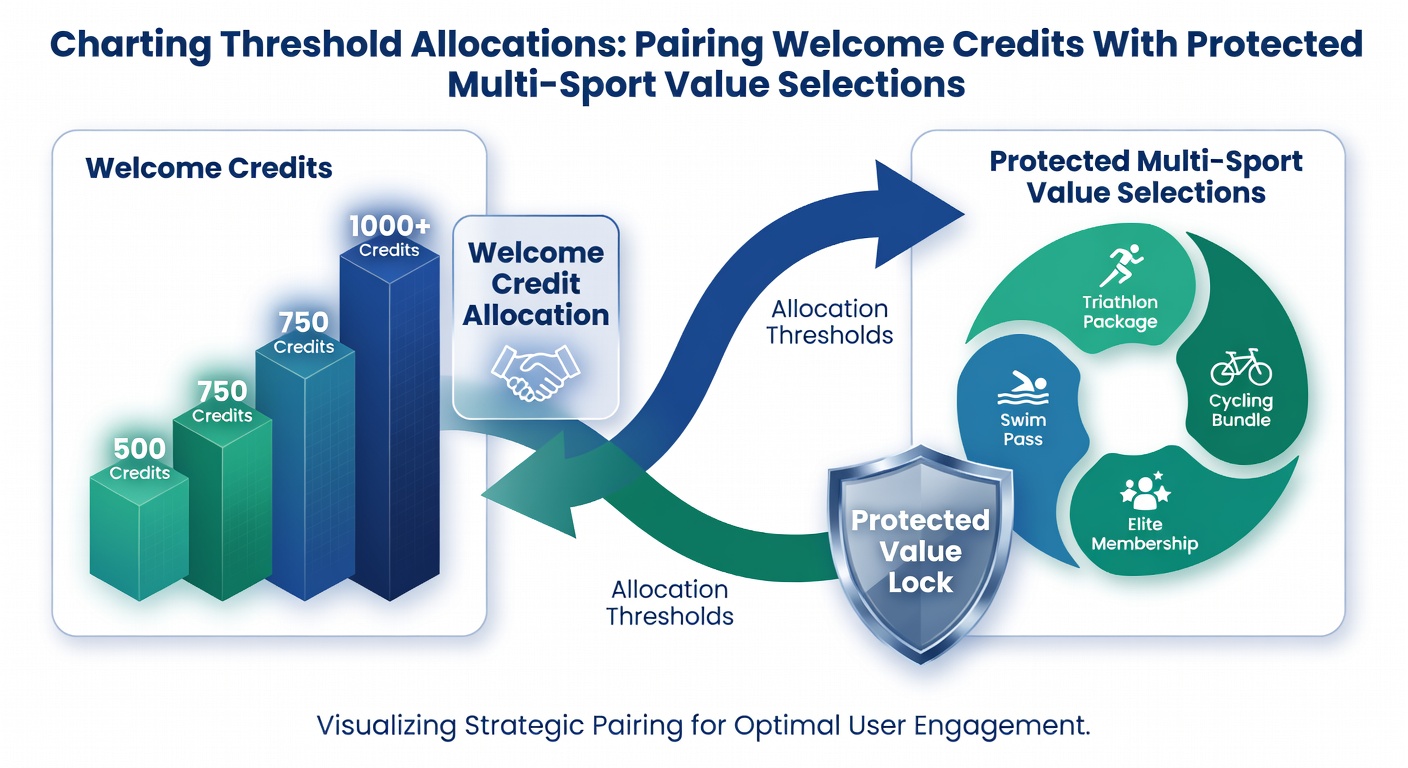
Welcome credits typically function as matched deposits or free bets that carry wagering conditions tied directly to threshold achievements, and studies show these credits gain stability when paired with protected multi-sport choices because the safeguards reduce variance across football leagues and court exchanges. In June 2026 reports, allocation data highlighted a rise in operators offering tiered credit releases that reward users who maintain at least two distinct sports in their qualifying activity, creating natural diversification without explicit mandates.
Allocation charts often display how credits unlock progressively, for instance releasing 25 percent after hitting an initial football-focused threshold and another 25 percent once tennis selections contribute to the overall stake volume, and this method keeps the process measurable while operators monitor compliance through automated tracking systems.
Application in Football Leagues
Football leagues present structured opportunities for threshold allocation because match schedules allow predictable stake planning, and value selections in major competitions frequently include draw-no-bet options or over-under totals that operators classify as protected when combined with welcome credit rules. Figures reveal that participants who allocate portions of their bankroll to both domestic leagues and international tournaments meet thresholds faster when they incorporate court exchanges from tennis to balance the overall requirement.
Operators apply protection by refunding a percentage of stakes on losing selections that fall within predefined parameters, and this mechanism appears consistently in allocation models that span multiple weeks of league play.
Extending to Court Exchanges in Tennis
Tennis court exchanges operate on shorter timeframes than full football seasons, which makes them suitable for fine-tuning allocation thresholds once initial football stakes have been placed, and researchers note that live adjustments during sets allow participants to shift remaining requirements toward protected tennis markets without resetting progress. Data from the Alcohol and Gaming Commission of Ontario indicates that hybrid allocation systems grew in popularity through mid-2026 as operators recognized the complementary nature of these two sports in meeting diversified stake targets.
Protection in tennis selections often covers specific scoreline bands or set outcomes, and when welcome credits remain active, the combined structure helps stabilize overall exposure while participants navigate both league fixtures and individual court matches.
Practical Allocation Examples Across Markets
One documented approach involves setting a 60 percent allocation to football league selections and 40 percent to tennis court exchanges, with thresholds recalculated weekly to reflect ongoing credit releases, and this ratio appears in several operator guidelines that emphasize measurable progress toward full bonus conversion. Those monitoring allocation trends report that users who adjust proportions based on fixture density achieve threshold completion with fewer interruptions, particularly when tennis tournaments overlap with football matchweeks.
Systems also incorporate caps on single-event exposure to maintain protection integrity, and allocation software frequently flags when a user's current selections risk breaching those caps before thresholds finalize.
Conclusion
Threshold allocation continues to evolve as operators refine how welcome credits integrate with protected selections across football leagues and tennis court exchanges, and available data through June 2026 shows consistent patterns where diversified activity supports smoother credit activation. Observers continue to track these developments through regulatory filings and operator disclosures, which provide measurable insights into how allocation frameworks function in practice without relying on subjective interpretation.