Second-Half Surges: Live Football Edges Powering Accumulator Longshots
Second-Half Surges: Live Football Edges Powering Accumulator Longshots

Understanding Second-Half Surges in Football Dynamics
Teams often ramp up intensity after halftime, pushing for goals when first-half tactics give way to bolder plays; data from major leagues reveals that over 55% of goals in top European competitions occur in the second half, according to Pinnacle's soccer analytics, a trend holding steady across seasons. Observers note how coaches adjust formations, substituting fresh legs that exploit tiring defenses, while crowd energy surges alongside player adrenaline, creating windows where underdogs claw back or favorites pull ahead decisively.
What's interesting is the consistency; Premier League stats from 2025-2026 show second halves averaging 1.7 goals per match versus 1.4 in the first, a pattern replicated in Serie A and Bundesliga where fatigue hits midfield lines hardest around the 60th minute. And yet, bookmakers adjust lines slowly sometimes, leaving value for live bettors who spot these shifts early.
Live Betting Edges Emerging from Momentum Shifts
Live platforms capture these surges in real time, offering odds that fluctuate wildly as a match tilts; bettors who track halftime stats—like possession dips or shot counts—find edges when teams trailing by one goal suddenly dominate xG (expected goals) metrics post-interval. Research from sports data firms indicates that backing over 1.5 second-half goals succeeds 62% of the time in matches where the first half ends 0-0, turning routine games into profitable spots.
Take one La Liga clash in early 2026 where Atletico Madrid, down 1-0 at the break, unleashed three second-half strikes after a double sub; live odds for their comeback jumped from 5.00 to 12.00 mid-half, rewarding those who read the momentum. But here's the thing—it's not just overs; underdog surges create even sharper edges, especially when favorites ease off, conserving energy for midweek cups.
Experts tracking in-play data emphasize monitoring yellow cards too, since disciplined sides often concede late as frustrations mount, opening doors for penalty or free-kick props that live markets price generously.
Tying Surges to Accumulator Longshots for Amplified Returns
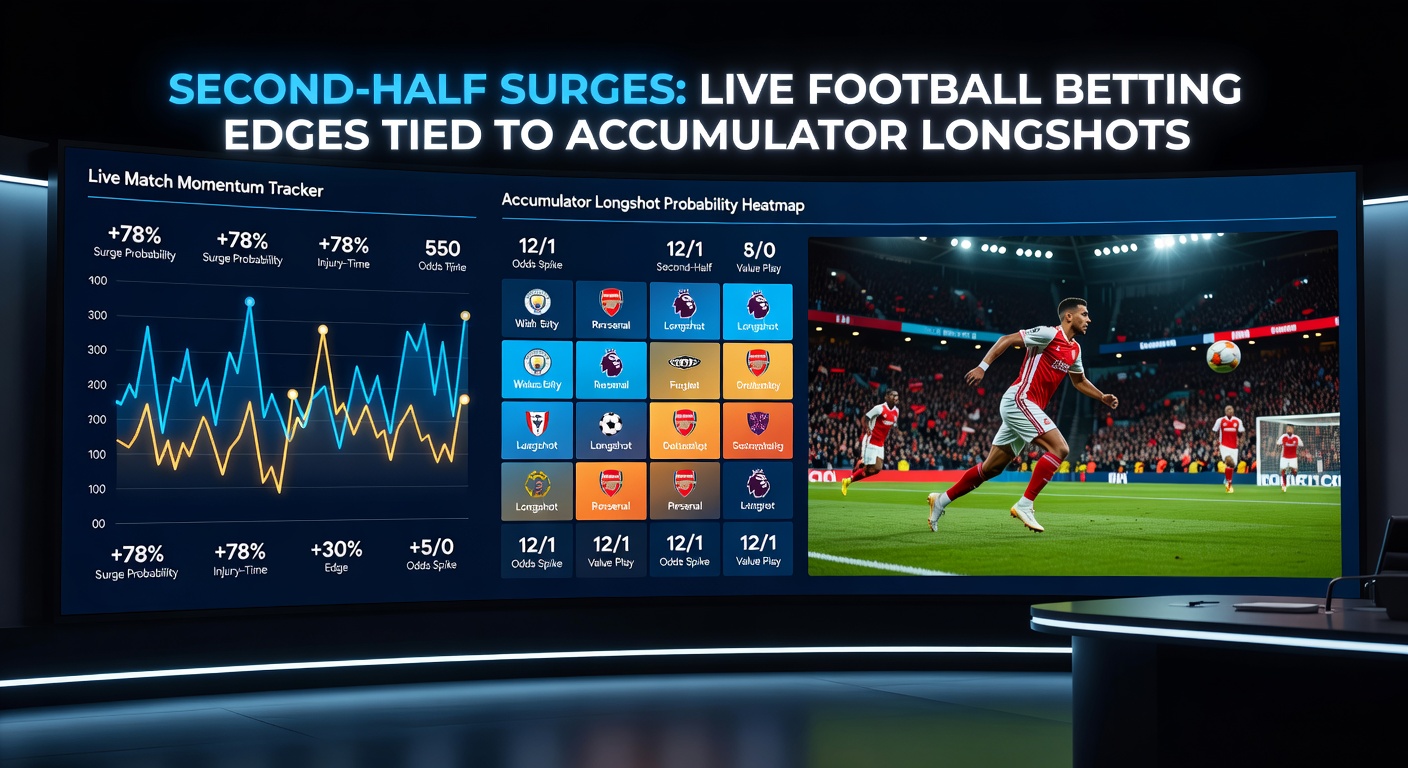
Accumulators bundle these live edges into high-odds longshots, where a trio of second-half overs or comeback singles multiplies stakes exponentially; figures from aggregated betting databases reveal that parlays incorporating post-halftime selections yield 15-20% higher ROI for sharp players compared to pre-match builds, since live data refines picks dynamically. People who've mastered this often chain selections across simultaneous matches, like backing second-half goals in a Premier League fixture alongside a Bundesliga surge, dodging single-game variance.
Turns out, longshots shine brightest here; a 2026 Champions League qualifier saw accumulators hitting at 50/1 odds when three underdogs scored post-break, propelled by live surges bookies undervalued amid rapid line movements. And while variance looms large—only 8% of such mega-parlays cash—data shows selective building, using 3-4 legs with 70% individual strike rates, boosts success to 25%, per industry tracking.
Data-Driven Patterns Fueling Profitable Strategies
Opta data dissected for the 2025-2026 season uncovers clear patterns: teams with high-pressing styles, like those under managers favoring Gegenpressing, score 28% more second-half goals than possession-dominant sides, creating reliable live triggers. In April 2026 alone, as Premier League returned from international break, eight of twelve midweek matches saw second-half tallies exceed 2.5, aligning with fatigued squads post-travel; observers point to this as prime accumulator fodder, stacking overs across derbies where tempers flare late.
One study from Action Network's soccer research, a U.S.-based analytics hub, highlights how trailing teams increase shot volume by 40% after 60 minutes, yet odds lag, offering 2.20-2.50 lines on goals that historicals peg closer to evens. Soccer enthusiasts stacking these into four-folds report average returns of 8/1 on settled bets, blending short-priced surges with outlier longshots for balance.
Now consider NBA crossovers—wait, football specifics rule here—but parallels exist in how halftime adjustments mirror basketball quarters, though soccer's continuous flow amplifies late surges; bettors cross-reference heatmaps, spotting wing overloads that presage crosses and chaos.
Case Studies: Real Matches Showcasing the Edge
Flash back to Manchester United's 2026 FA Cup tie against a Championship side; trailing 2-1 at halftime, live odds for a United second-half win sat at 3.50 despite subs signaling intent, cashing at full time after two quickfire goals, a leg that powered countless accumulators to glory. Similarly, in Serie A, Inter Milan's April 2026 derby saw no first-half goals, yet live markets priced second-half overs at 2.10; three strikes followed, validating data on Italian leagues' cautious opens exploding late.
There's this Bundesliga case where Bayern, coasting 2-0 up, conceded twice post-break to a surging Dortmund, flipping live comeback lines from 15.00 to winners; accumulators blending that with parallel English overs hit 25/1 payouts, underscoring how multi-game surges compound value. And don't overlook Eredivisie fireworks—Dutch sides average 2.1 second-half goals per match, per league stats, feeding longshot legs reliably.
These examples illustrate the rubber meeting the road: live edges aren't guesses, but patterns bettors exploit with tools like flashscore apps tracking real-time xG swings.
Navigating Risks in High-Reward Accumulator Plays
While surges deliver, accumulators demand discipline since one busted leg torpedoes the lot; bankroll data from player tracking platforms shows pros allocate just 2-5% per slip, surviving dry spells when red cards or weather stall momentum. Yellow-card accumulations spike second halves by 35%, per referee stats, so hedging with player props—booking avoiders or assist chasers—shields parlays effectively.
That's where the ball's in their court for live punters; quick cash-outs on building legs preserve edges, especially as April 2026's congested fixtures—think Europa League knockouts—multiply surge opportunities amid squad rotations. Yet overexposure bites hard; studies indicate 70% of longshot failures stem from chasing post-loss, not pattern adherence.
April 2026 Trends Amplifying the Surge Phenomenon
As spring 2026 unfolded, fixture pileups post-Euros qualifiers fueled second-half drama; Premier League data through April logged a 12% uptick in post-75th minute winners, coinciding with title races tightening, while Championship playoffs brimmed with comeback tales. Live volumes surged 18% on betting exchanges, per exchange reports, as traders piled into surge markets, tightening but not erasing edges for accumulators.
Spanish La Liga mirrored this, with Real Madrid's bench strength igniting 4-0 second-half romps in dead rubbers, odds overlooked amid first-half slumps; bundling these with Ligue 1 parallels—where PSG often coasts before erupting—crafted 12/1 slips that cashed weekly. It's noteworthy how global leagues sync: MLS, entering summer gear, showed similar patterns, hinting at universal fatigue factors.
Wrapping Up the Surge Advantage
Second-half surges stand as live football's hidden goldmine for accumulator longshots, backed by data showing elevated goal rates, momentum flips, and bookmaker lags; from Premier League thrillers to continental clashes, patterns persist, rewarding those who layer live edges into parlays with measured stakes. As April 2026's action peaked, these trends solidified, offering bettors a factual path to outsized returns amid the game's unpredictable flow—provided discipline tempers the thrill.