Interconnected Betting Dynamics: Building Accumulators Through Cross-Sport Analysis in Real Time
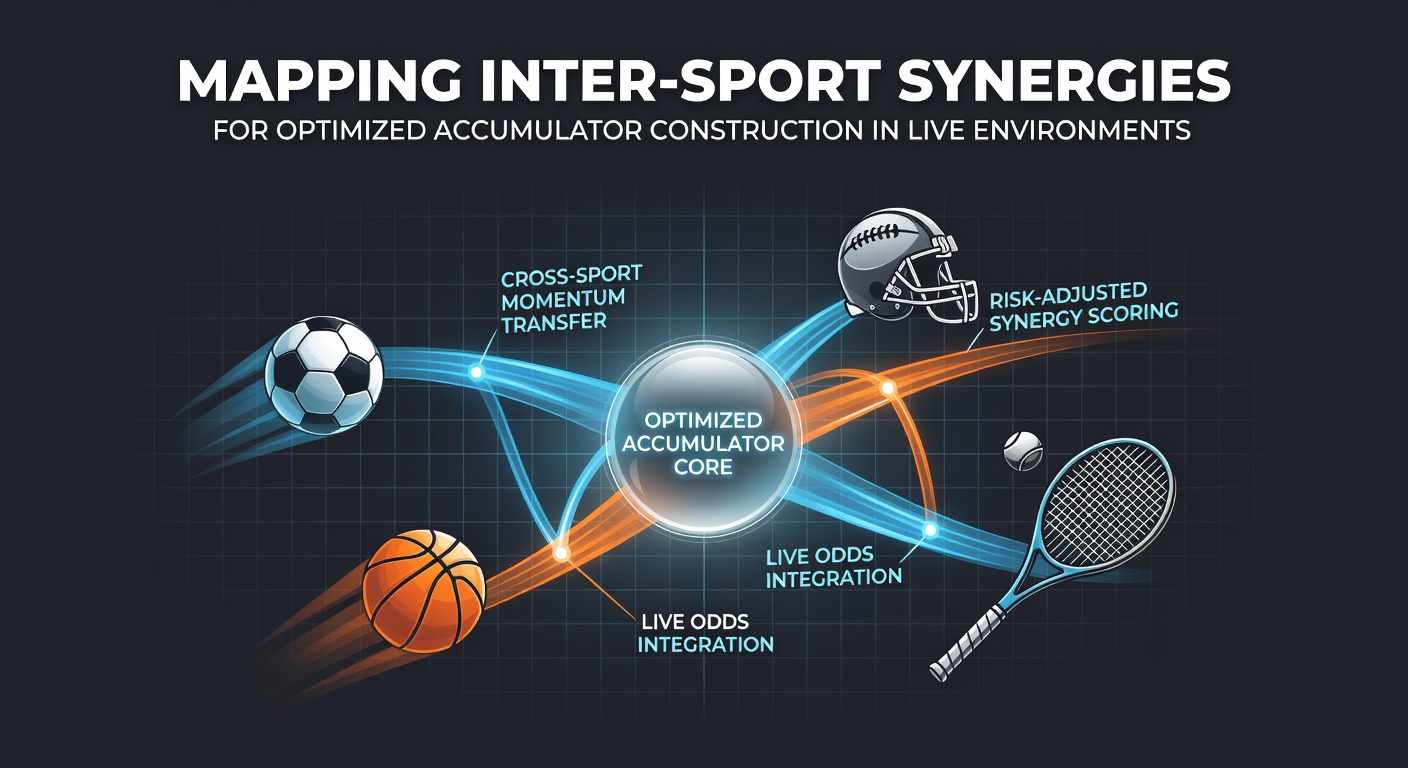
Mapping inter-sport synergies involves identifying statistical correlations between outcomes in different athletic disciplines to construct accumulators that balance risk and potential returns during live events, where odds fluctuate based on unfolding action across multiple venues. Researchers who examine betting markets note that such approaches draw on historical performance data from leagues like football and tennis, allowing operators to adjust accumulator structures in real time as momentum shifts occur simultaneously in separate competitions.
Analysts track variables such as scoring rates, player fatigue indicators, and weather impacts that span sports, creating layered models that inform bet combinations rather than isolated wagers. In June 2026, platforms processing live data streams from major tournaments have integrated these mappings to handle simultaneous events like European club finals alongside Grand Slam matches, where cross-referenced probabilities help refine accumulator legs without relying on single-sport trends alone.
Core Elements of Cross-Discipline Data Integration
Teams specializing in market analytics compile datasets from diverse sources including player tracking systems and league archives, then apply algorithms to detect non-obvious connections such as how basketball defensive efficiency patterns sometimes align with tennis serve hold percentages under similar time-pressure conditions. Those who've studied these intersections find that correlations emerge most clearly during overlapping seasons, when data volumes increase and allow for more precise weighting of accumulator components.
Live environments demand constant recalibration because in-play odds respond to micro-events like a goal in one match or a break of serve in another, prompting systems to reassess entire accumulator viability within seconds. Observers note that successful implementations often incorporate buffer mechanisms, such as conditional legs that activate only after certain thresholds in primary sports are met, thereby optimizing construction for sustained viability across fluctuating conditions.
Technological Frameworks Supporting Real-Time Adjustments
Software platforms employ machine learning models trained on multi-year records from international competitions, enabling rapid identification of synergy opportunities between events that share temporal windows but differ in format and scoring mechanics. Data from the American Gaming Association shows increased adoption of these frameworks among operators seeking to expand accumulator offerings beyond traditional single-sport formats.
Integration with streaming feeds allows for automated updates that factor in variables like injury reports or venue-specific factors across sports, while maintaining compliance structures that vary by jurisdiction. Experts who review these systems emphasize the role of modular code architecture, which permits quick swaps of correlation parameters when new statistical relationships surface during high-volume periods such as those observed in mid-2026 tournament clusters.

Practical Applications in Multi-Event Scenarios
Operators have applied these mappings during periods of concurrent international fixtures, constructing accumulators that pair football goal margins with basketball point spreads when pre-match data reveals overlapping variance patterns in team performance under travel stress. Such constructions gain stability from diversified risk profiles, as movements in one sport's live odds can offset volatility in another without disrupting overall structure.
Case reviews from Australian betting markets, referenced in reports by the Australian Communications and Media Authority, illustrate how these techniques supported accumulator volumes during overlapping winter and summer sports calendars, where real-time feeds from rugby and cricket events fed into shared analytical layers. Adjustments occur through predefined thresholds that trigger leg replacements, preserving accumulator integrity amid rapid score changes.
Challenges in Scaling Synergy Models
Scalability issues arise when data latency between sports feeds creates temporary mismatches in accumulator pricing, requiring fallback protocols that default to conservative combinations until synchronization resumes. Those examining platform performance during June 2026 events report that hybrid human-algorithm oversight remains essential for handling edge cases where established correlations temporarily weaken due to unexpected roster changes or rule interpretations.
Regulatory frameworks across regions further influence implementation, with requirements for transparent risk disclosure affecting how operators present mapped accumulators to users. Research from the University of Nevada's gaming studies program indicates that jurisdictions prioritizing data transparency see higher retention rates for complex products built on inter-sport linkages.
Conclusion
Mapping inter-sport synergies continues to evolve as a method for refining accumulator construction within live betting contexts, supported by expanding datasets and adaptive technologies that respond to simultaneous events across disciplines. Ongoing developments in algorithmic precision and cross-jurisdictional standards shape how these approaches integrate into broader market operations, with emphasis on maintaining balance between opportunity and structural safeguards.