Integrating Track and Court Analytics to Sharpen Multi-Layer Selection Models
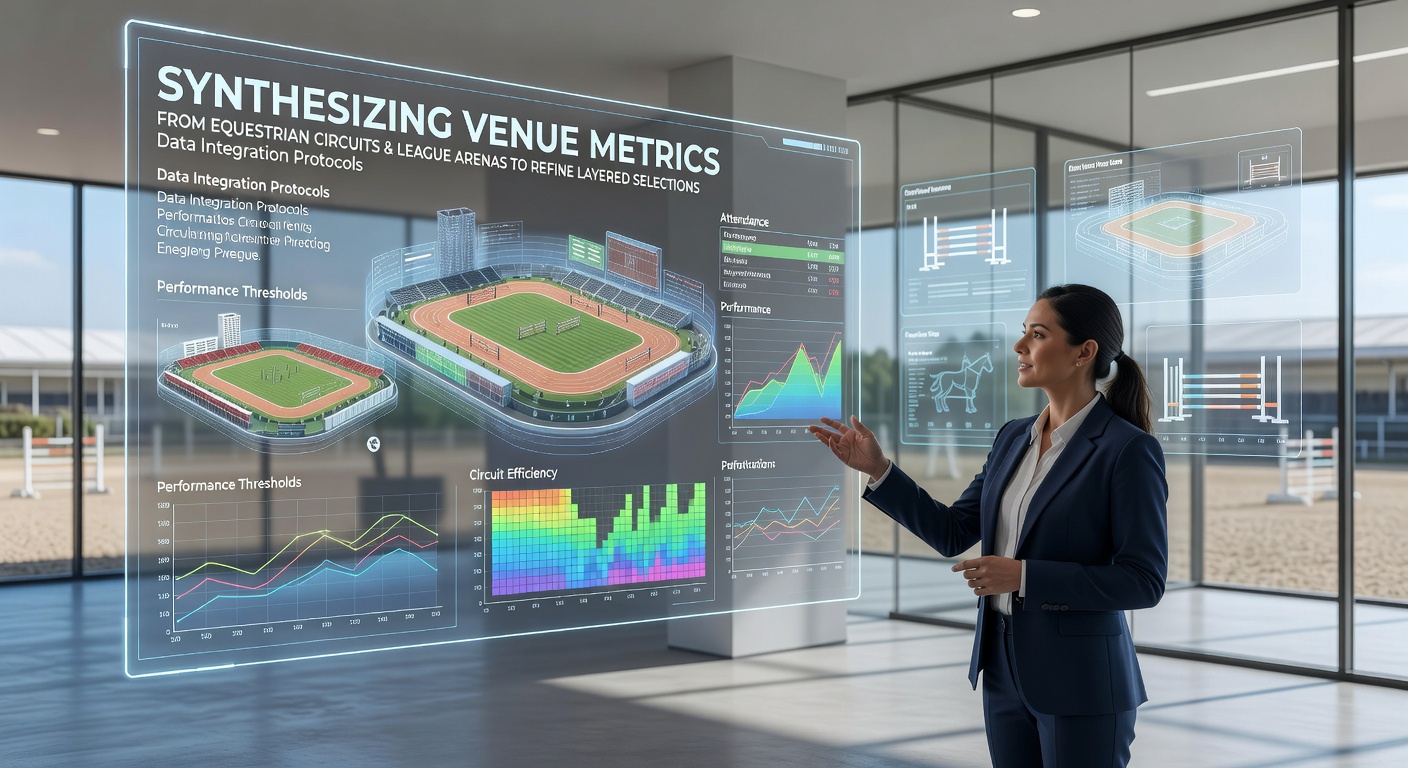
Analysts continue to refine methods that pull together venue-specific statistics from horse racing circuits and indoor league facilities, creating more precise inputs for layered selection frameworks that span multiple events. These approaches focus on measurable factors such as surface conditions, crowd density patterns, and historical performance clusters at each location rather than broad seasonal averages.
Equestrian Circuit Indicators and Their Core Components
Tracks record detailed variables including rail position advantages, soil moisture levels recorded at multiple points during race days, and wind exposure across different straight sections. Data from bodies like the Australian Racing Board shows consistent correlations between starting gate configurations and finishing times on turf versus synthetic surfaces, with adjustments applied when meetings move between regional venues during the southern hemisphere winter schedule. Observers note that these indicators gain additional weight when cross-checked against similar variables collected from league arenas hosting basketball or volleyball contests, where floor hardness ratings and lighting angles produce parallel effects on player output metrics.
League Arena Statistics and Venue Mapping
Facilities hosting professional team sports maintain logs of court or field dimensions, acoustic profiles that influence communication during play, and historical scoring distributions tied to specific seating configurations. Research from Canadian university sports labs demonstrates that arena altitude combined with humidity levels alters ball trajectory patterns in measurable ways across repeated matches, providing data points that align structurally with equestrian track gradient measurements. Those working with layered models incorporate these arena figures to adjust probability estimates when selections include events from both domains within the same accumulator structure.
Methods for Combining the Two Data Streams
Practitioners apply normalization techniques that convert track rail bias percentages and arena rebound rate figures into comparable scales before feeding them into shared algorithms. This process involves mapping each venue's deviation from league or circuit averages, then weighting the deviations according to event timing within a multi-leg sequence. Figures released by the European Sports Data Consortium in early 2026 highlight how such alignment reduces variance in projected outcomes when selections cover both equestrian meetings and league fixtures scheduled within the same calendar week.

June 2026 schedules feature overlapping international equestrian festivals and league playoff venues in North America and Europe, allowing analysts to test these combined models against real-time results from distinct geographic regions. The approach treats each venue as an independent node within a larger network, updating node values after every completed event rather than relying on static seasonal baselines.
Practical Application in Layered Frameworks
Selection layers built this way assign separate coefficients to equestrian and arena components before multiplication across legs. One documented workflow from a 2025 industry report by the International Association of Sports Performance Analysts shows teams adjusting layer thresholds when a horse racing circuit reports unusually firm ground conditions while a linked basketball arena records elevated three-point percentages due to reduced air density. The combined adjustment produces revised probability bands that feed directly into automated selection tools used by professional syndicates.
Additional calibration occurs through time-zone offsets and travel fatigue indices, which appear in both equestrian shipping records and league road-game statistics. These secondary factors receive scaling multipliers derived from historical cross-sport datasets, ensuring the final layered output reflects venue interactions rather than isolated performance summaries.
Conclusion
Continued refinement of these synthesis techniques depends on consistent data feeds from both equestrian circuits and league arenas, with updates applied as new venue measurements become available throughout the 2026 calendar. Organizations tracking these developments maintain repositories that allow ongoing validation of combined models against completed multi-event sequences.