Bankroll Protocols Meet Probability Shifts in Football, Tennis, and Racing Markets
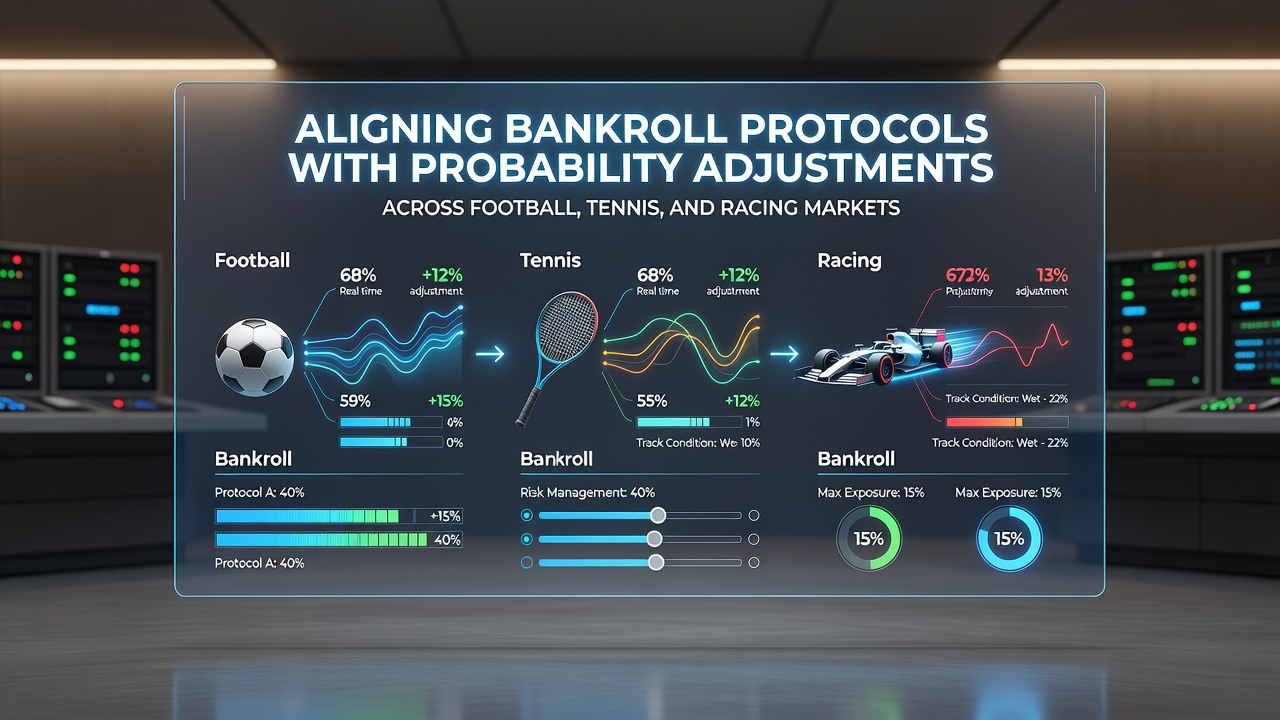
Bankroll protocols require continuous recalibration when probability models shift across football, tennis, and racing, and data from multiple markets shows how these adjustments help maintain stability. Observers note that bettors who track live odds movements alongside fixed allocation rules often see steadier results over extended periods, particularly during August 2026 when major football leagues resume and tennis tournaments overlap with late-summer racing fixtures.
Core Elements of Bankroll Alignment
Bankroll alignment starts with identifying baseline probability ranges for each sport and then scaling stake sizes accordingly, while researchers have documented that fixed-percentage models perform differently when applied to low-variance football markets versus high-variance racing outcomes. Those who study these patterns find that a 2-5% allocation band works across many cases, yet the band tightens or widens based on updated implied probabilities from bookmakers. Data indicates that operators release revised lines frequently, so protocols must incorporate real-time feeds rather than static pre-match figures alone.
Football Market Adjustments
Football presents structured probability windows because match outcomes cluster around expected goal differentials, and studies reveal that protocols succeed when they adjust for variance spikes during injury news or weather changes. One analysis of Premier League data showed that probability estimates for draws tighten in the final weeks of the season, prompting observers to reduce stake percentages by 1-2 points to preserve capital across remaining fixtures. Those who've examined accumulator structures note that layering multiple football selections demands even tighter probability thresholds, since correlated outcomes can amplify drawdowns if lines move uniformly across several matches.
Tennis Probability Layers
Tennis markets shift rapidly between sets and surfaces, and evidence suggests that bankroll rules benefit from segmenting probability calculations by best-of-three versus best-of-five formats. Data shows serve-hold percentages fluctuate with court speed, which forces protocols to recalibrate mid-match when live odds deviate from pre-tournament models. People who track these adjustments often apply smaller percentage stakes during tiebreak-heavy periods because variance increases, whereas baseline set probabilities support larger allocations when a player demonstrates consistent surface dominance. August 2026 hard-court swing provides a clear window where such segmented protocols have been tested across multiple events.
Racing Odds and Variance Handling
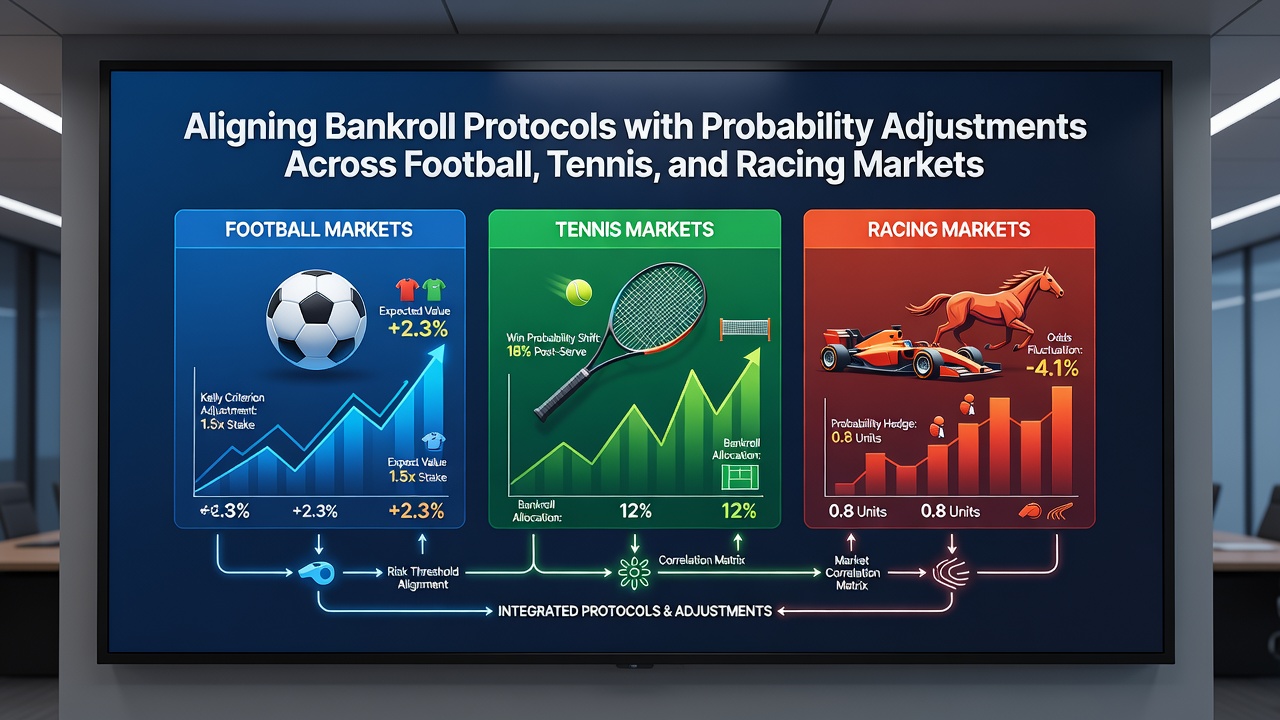
Racing markets generate the widest probability spreads because late non-runners and track conditions alter implied chances within minutes of post time, and reports indicate that protocols using staggered stake ladders help mitigate this volatility. One study of Australian thoroughbred data found that probability adjustments applied 30 minutes before race start reduced exposure during heavy drift periods, while early morning lines required wider allocation bands to account for morning line inaccuracies. Those monitoring these patterns observe that combining racing with football or tennis selections in the same session calls for separate probability buckets so that a single high-variance race does not drain the overall bankroll.
Cross-Market Protocol Integration
Integrating protocols across the three sports requires a unified dashboard that flags when probability thresholds cross predetermined lines, and industry reports confirm that operators in several jurisdictions now supply API feeds designed for exactly this purpose. According to figures from the Ontario Responsible Gambling Council, bettors who maintain sport-specific probability overlays report fewer unplanned drawdowns during overlapping seasons. The same data reveals that August schedules, which bundle football opening weekends with tennis Masters events and major racing festivals, test these integrated systems most rigorously because simultaneous line movements across markets can compound variance if left unchecked.
Another source of calibration guidance comes from the Australian Gambling Research Centre, whose longitudinal studies show that probability-weighted stake resizing improves capital retention rates when applied consistently across football, tennis, and racing. Observers note the studies track thousands of accounts and isolate cases where fixed protocols failed during rapid odds shifts, underscoring the need for dynamic thresholds rather than rigid rules.
Conclusion
Bankroll protocols that incorporate ongoing probability adjustments across football, tennis, and racing deliver measurable stability when implemented with current data feeds and sport-specific variance bands, while August 2026 fixtures offer a live testing ground for these methods. Evidence continues to accumulate that unified yet segmented approaches outperform single-sport templates, and regulatory bodies in multiple regions supply supporting datasets that help refine the underlying calculations without requiring subjective interpretation.