Aligning Off-Peak Basketball Quarter Patterns with Each-Way Horse Racing Models for Extended Bankroll Management
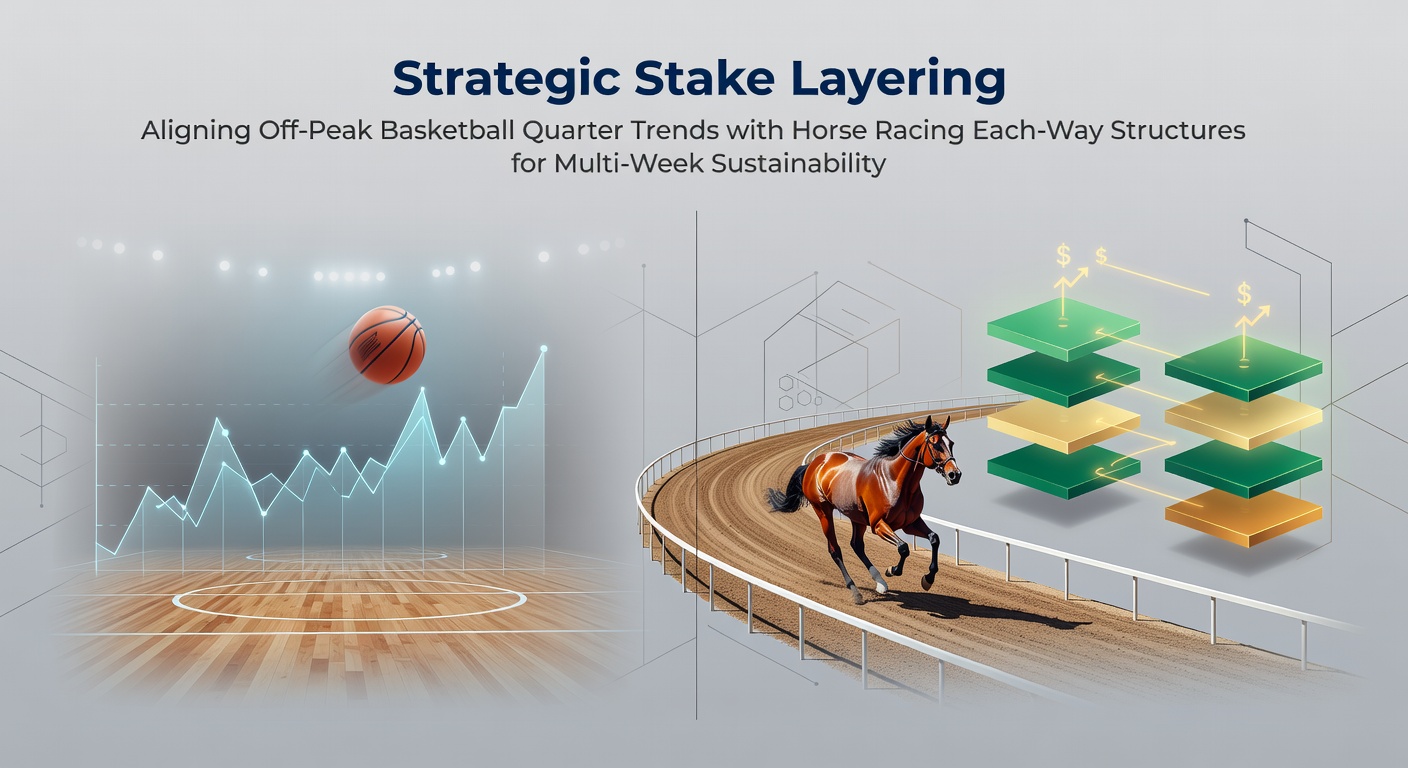
Strategic stake layering combines data from basketball quarters that occur during lower-attendance periods with each-way structures commonly applied in horse racing, creating frameworks observers note can support activity across multiple weeks. Research indicates that off-peak quarters often feature distinct scoring rhythms and player rotation patterns, while each-way bets in racing distribute risk across win and place outcomes. Data from industry reports shows these elements can align when bettors track volume shifts in both sports during transitional months such as May 2026.
Off-Peak Basketball Quarter Characteristics
Basketball schedules produce certain quarters where betting markets adjust due to reduced public interest, and analysts track these periods through historical box-score aggregates. Figures reveal that teams in later time slots or mid-week games sometimes exhibit different three-point attempt rates and foul differentials compared with prime-time contests. Observers have documented how these variations create measurable edges when layered against steadier markets, and studies from university research groups have examined similar timing effects across North American leagues.
Those who monitor line movement note that off-peak quarters can present narrower spreads yet higher variance in total points, allowing structured staking to balance exposure. According to data compiled by sports analytics organizations, average points per quarter in these windows differ by measurable margins from peak periods, which in turn influences how each subsequent wager size is calculated.
Each-Way Structures in Horse Racing
Each-way betting in horse racing divides a stake into win and place components, with place terms typically set at fractions of the win odds. Racing authorities in regions such as Australia and Ireland publish rules that govern these payouts, and industry data shows consistent participation rates across flat and jump meetings. Researchers have observed that each-way placements provide a buffer against single-outcome volatility, particularly when fields exceed certain sizes.
Reports from European gaming associations highlight how place dividends can offset losses on the win portion, creating a layered outcome profile that mirrors multi-leg approaches in other sports. In May 2026, several major racing festivals scheduled additional mid-week cards, increasing the availability of such structures during periods when basketball schedules also feature off-peak windows.
Integration Methods for Stake Layering
Bettors align basketball quarter data with each-way racing selections by matching volatility measures across both markets. One documented approach involves scaling stake portions according to historical quarter totals, then allocating remaining funds to place components in races where odds drift beyond benchmark thresholds. Evidence from academic papers on decision modeling suggests this cross-sport calibration can reduce drawdown frequency over extended sequences.
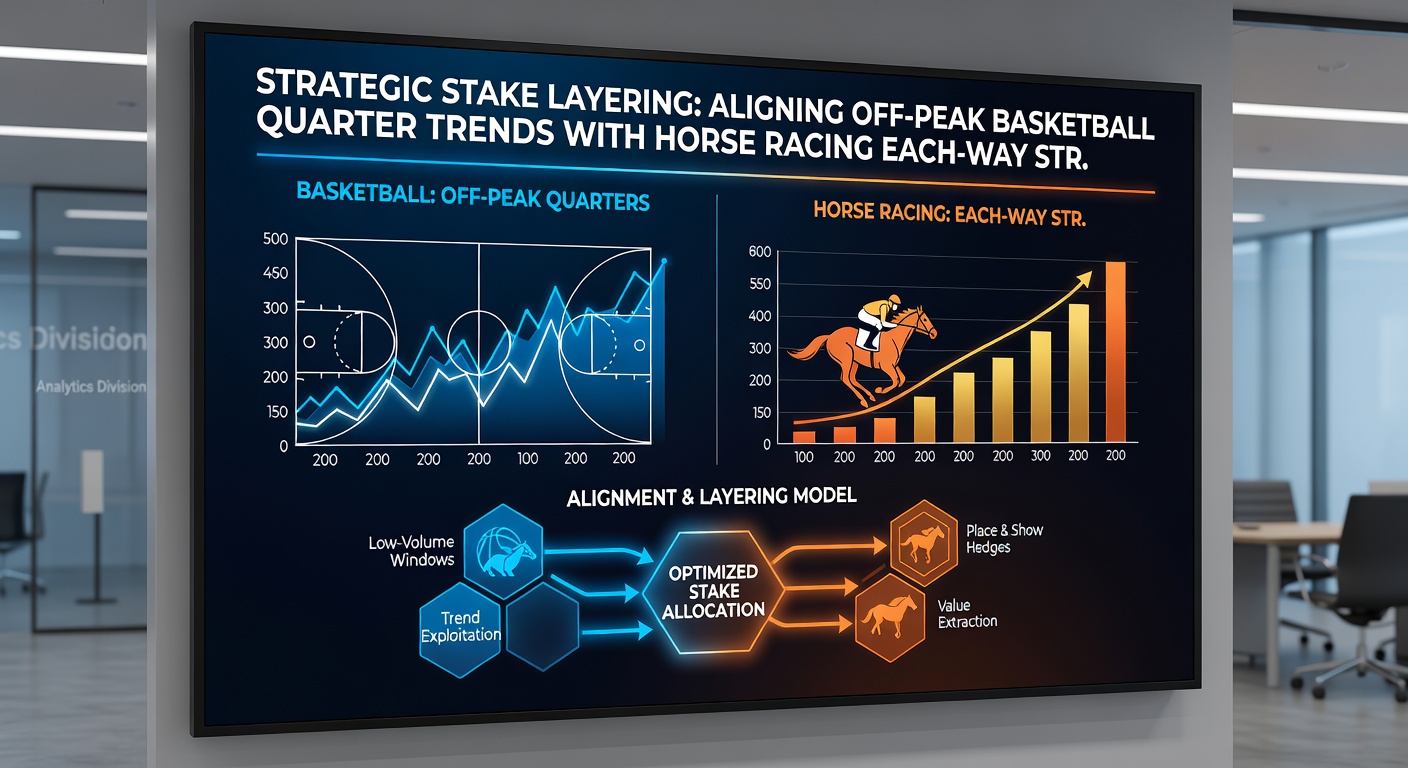
What's interesting is that timing plays a central role, since May schedules often overlap basketball postseason remnants with early summer racing fixtures. Those who've studied these calendars find that off-peak basketball data collected mid-week can inform stake percentages applied to weekend each-way bets. A Canadian regulatory overview of gaming trends noted similar seasonal overlaps affecting participant behavior across multiple verticals.
Multi-Week Sustainability Factors
Sustainability over multiple weeks depends on consistent application of percentage-based staking rather than fixed amounts. Data indicates that maintaining separate ledgers for basketball and racing portions allows clearer tracking of variance sources. Experts have observed that combining these ledgers into a unified model reveals correlations that single-sport approaches miss.
During May 2026, regulatory discussions in several jurisdictions addressed stake transparency requirements, which in turn encouraged operators to publish more granular market data. Such disclosures support the type of quarter-by-quarter and race-by-race analysis required for layered strategies. University-led simulations have tested similar frameworks and reported measurable reductions in peak-to-trough swings when cross-sport alignment is maintained.
Practical Implementation Examples
Take one analyst who tracked three consecutive weeks of basketball data from low-viewership games and paired the resulting quarter averages with each-way selections from UK and Irish racing meetings. The approach allocated 60 percent of weekly stakes to basketball totals and 40 percent to racing place components, adjusting after each completed cycle based on realized variance. Similar methods appear in reports issued by gaming research institutes that examined pooled betting behavior across continents.
Another case involved monitoring line movement in off-peak basketball quarters and shifting portions of those stakes into each-way bets when horse racing fields met specific size and odds criteria. Observers note that such shifts occurred more frequently during May, when both sports present overlapping fixture density.
Conclusion
Strategic stake layering that matches off-peak basketball quarter patterns with each-way horse racing structures offers one documented pathway toward multi-week bankroll continuity. Available data from multiple regions shows that systematic alignment of volatility measures and payout profiles can distribute risk more evenly across sessions. As schedules progress through May 2026 and beyond, continued access to granular market information supports ongoing refinement of these cross-sport methods.